Common areas of postnatal hair loss
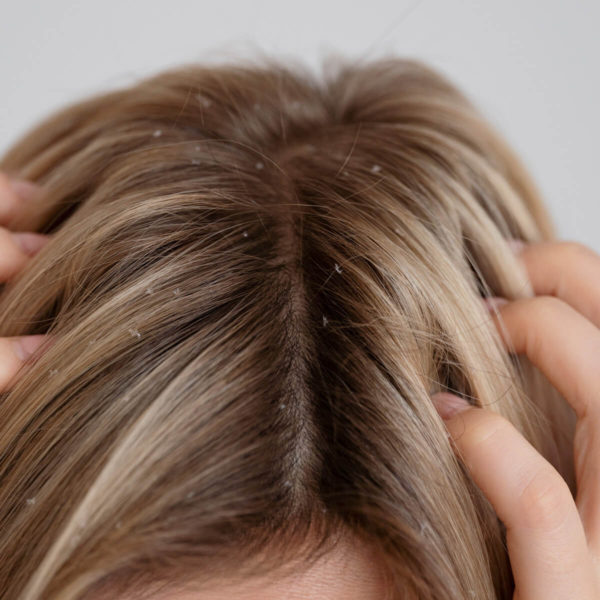
Postnatal hair loss is described as an overall thinning, rather than a single bald spot. But along with this, there are parts of your scalp that have more hair loss than others. You may see thinner hair around the front hairline, top of your head, behind your ears, or around your temples. Some people see a combination of major hair loss in these areas, while others will only have one or two affected areas.
When is it serious?
Since hair loss can be caused by anything from hormonal imbalances to more serious things such as malnutrition, you should bring the hair loss issue up with your doctor if it continues 6 months after the child is born. In some cases, they can prescribe simple medications for your issue, which will make you feel more at ease. It is important to mention that medications often take months to show results, and the hair loss will normally stop without the help of medicine.
Avoid pulling
The next piece of advice is to avoid hair styles that pull your hair taut. This includes tight ponytails, braids, weaves or cornrows. This may sound odd considering that hair can become annoying when it hangs in your face, but a simple solution is to use a hair clip instead. These hairstyles will cause hair to fall because they tend to pull and add stress on the scalp.
How to manage wet hair
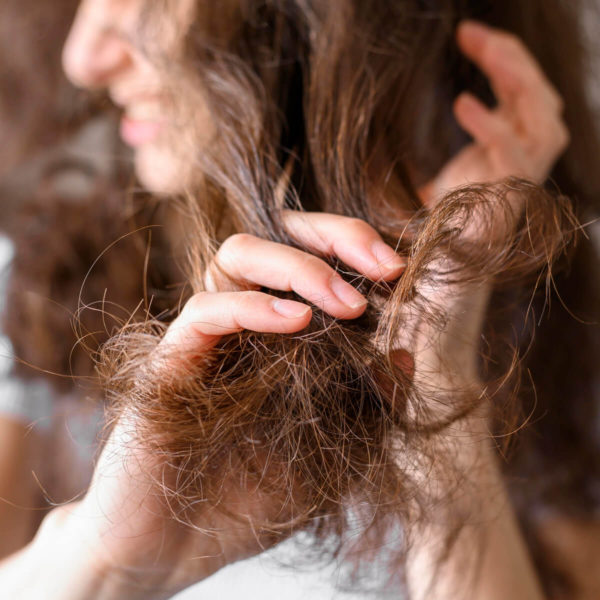
Use shampoo and conditioner that contains hair-strengthening ingredients like silica biotin, or keratin. Your hair becomes incredibly vulnerable when wet, which causes it to be weak enough to break and fall out easily. When you’re dealing with wet hair, handle it with caution so as not to accidentally pull hair out. You will see best results by using a comb with large teeth on wet hair.
Be gentle with styling tools
Using a blow dryer can cause a lot of stress on strands, and should be avoided whenever possible. The same concept applies to curling irons, hot rollers, and flat irons. Using these tools requires you to pull your hair taut, which is a step in the wrong direction if you want to keep hair loss to a minimum.
Diet and nutrition
As mentioned before, your health is reflected through the health of your hair, skin and nails. If you’re not providing your body with enough nutrients, you may experience a large amount of hair loss after pregnancy. So include fruits and vegetables into your diet; an easy way to do this is to eat at least one cup of either raw fruit or vegetables before each meal.
It’s also crucial to get enough protein in your diet so that you can provide your hair follicles with nutrition and protection from the inside-out. These tips will also promote hair growth, which can be further encouraged by taking supplements like vitamin B complex, biotin, vitamin C and zinc.
In the majority of cases, women who experience hair loss after pregnancy will not be able to stop it from happening completely. But by following these tips, it becomes less of a burden, and can help you get back to a normal routine without having to worry about hair loss.