Since sun exposure is harmful to the skin, it’s no wonder why bronzer has become a staple in every woman’s makeup kit. Unfortunately, not having the right color or shade of bronzer can make you look unnatural and caked-up.
That said, it’s common for women to use bronzer that is too dark for their skin tone. Luckily, an easy way to combat this is to find a bronzer that looks golden on your skin, but not brown. You can apply a rose or peach-colored blush atop the apples of your cheeks to add a flush of color.
One other mistake to avoid when applying bronzer is putting most of the product on the cheeks; ideally, you should apply bronzer around the hairline and jaw.
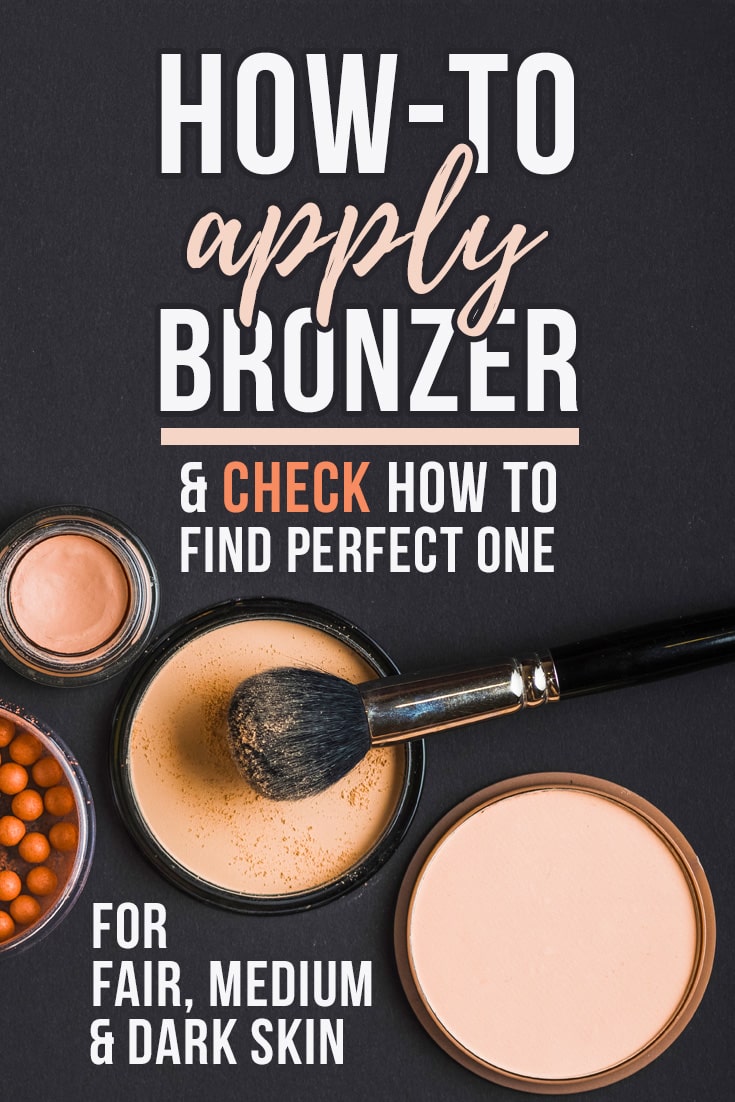
Now that we’ve covered the basics, here are some more makeup tips for applying bronzer.
Read the whole article as it’s full of great makeup tips, or just to the section you’re most interested in:
- Essential Bronzer Makeup Tips
- Bronzer for Fair Skin
- Bronzer for Medium Skin
- Bronzer for Dark Skin
- Extra Tips on Using & Choosing the Right Bronzer

Essential Bronzer Makeup Tips

- Choose a bronzer with a matte finish that is one or two shades darker than your natural skin color; if you have fair skin, it is best to choose the lightest shade. If your skin tone is medium, choose a shade that is in the middle range. Of course, for dark skin tones you’ll want to use a deeper shade of bronzer. Test the shade out on your jawline; it should give you a golden glow.
- After you’ve purchased the matte bronzer that looks best on your skin, continue with your normal routine. Apply your foundation primer and foundation, and finally, concealer (read if you need to find your a perfect concealer for you) to cover dark spots, red spots and under-eye areas. If your skin is oily, use a translucent setting powder on your oiliest areas to keep the bronzer from looking too dark.
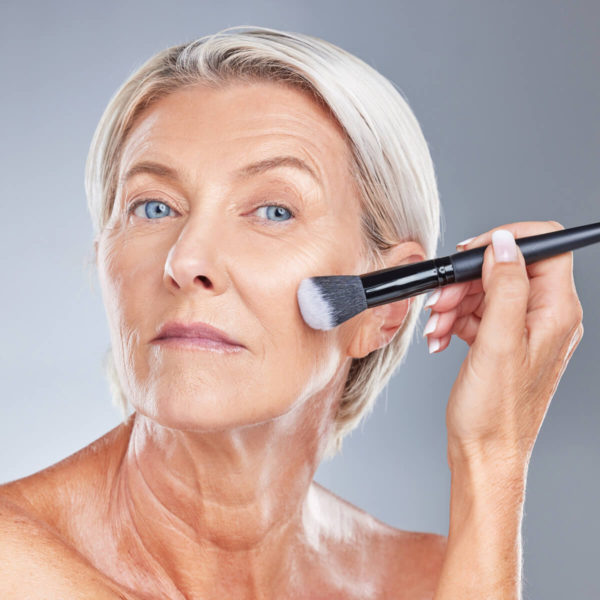
- Use a powder, blush, or fan brush to swipe your bronzer. Shake or tap off the extra dust before applying the bronzer to your skin. In small circular strokes, apply the bronzer to your jaw and hairline. Swipe your brush once more to apply to the hallows of your cheeks, bridge of nose, forehead and finally your chin.
- To blend the bronzer well, use the leftover dust to apply to your neck. Tap your brush once more to assure that you’ve shaken off all the excess powder. Continue blending by running the brush over the areas you’ve already applied bronzer to.
- Finish your look by adding a little blush! You can use the same brush, or a different one if you prefer to apply your blush. When doing this, keep in mind that blush can keep your face from looking unnatural or one-dimensional. Choose a rose or peach-colored blush on the apples of your cheeks, and do your eye makeup as normal with shadow, liner and mascara.
Bronzer for Fair Skin
Reach for a bronzer that is honey or sheer beige brown. Women with fair skin should keep in mind that less is more when applying bronzer. If you’re uncertain when choosing a color, always go with the lighter shade.
Blushes that work well on fair skin are coral, peach or rosy in color. One more tip for fair skin is to use a face powder that is darker than your skin tone.
Bronzer for Medium Skin
Colors like copper, brownish-pink, or bronze are great for those with olive tones.
If your skin has yellow tones, it’s best to use colors like coral, peach, tan or gold.
For medium skin tones that are cooler, use rosy or peachy-toned bronzers to still give you a sun-kissed look. But beware of light pinks or peaches because they can leave you looking washed-out.
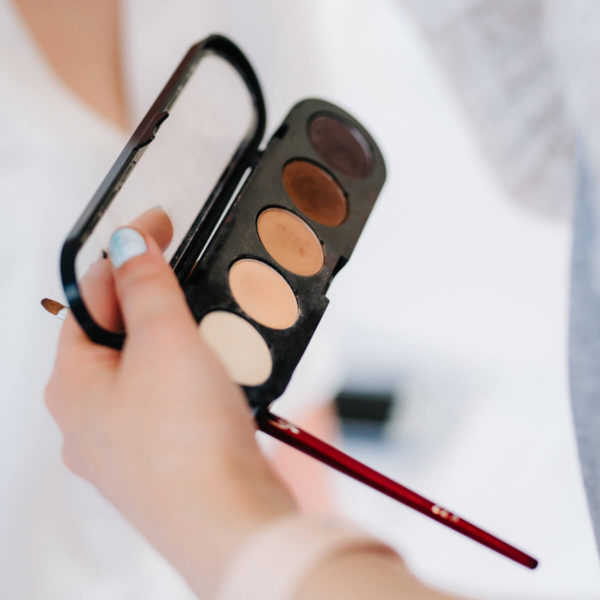
A great way to assure a good color is to use a multi-color bronzing palette, and always use less than you expect to use for a natural look. Stay away from shimmery bronzers if you have fine lines, blemishes or wrinkles; shimmering bronzers oftentimes magnify these flaws.
Bronzer for Dark Skin
To keep from creating an ashy or muddy complexion, always use a bronzer one or two shades darker than your skin tone.
Be sure that the bronzer you choose has plenty of pigment, and pick tones of bronze, amber, tawny, copper and golden as these are the most flattering on dark skin.
For normal-to-oily skin, use a powder bronzer, and if you have dry skin, it’s best to use a cream or gel bronzer. Use a matte finish for contouring cheeks and jawline; for your forehead, upper cheekbones and temples, use a shimmering finish. Use a fluffy blush or powder brush to apply the bronzer to areas of the face that the sun often hits.
Extra Tips on Using & Choosing the Right Bronzer
If you have issues with bronzer making your skin appear orange, you are no doubt using the wrong shade of bronzer. Since orange isn’t the beautiful and healthy glow you’re looking for, you should choose a bronzer referring to the shade your skin becomes after spending hours in the sun.
If your skin becomes medium-to-golden brown in the sun, then the bronzer should have brown tones so that it blends well in your skin. Stay away from bronzers with a shimmer finish since they will settle into fine lines and wrinkles. Shimmer also has aggravating effects on acne.
Applying bronzer isn’t a difficult process assuming you’ve got the right tools for the job.
You’ll need a fluffy blush or powder brush for a powder bronzer; as for a cream or gel bronzer formula, you can use your fingers.
The basics to applying bronzer are to only apply it where the sun hits your face such as the forehead, cheekbones and chin. However, if you’re using a bronzer to contour your cheeks and nose, then you’ll have to break the rule a little.
To make your nose appear skinnier, apply bronzer to the sides of your nose instead of on the bridge, and apply bronzer in the hallows of your cheeks to make your face appear slimmer. Use a highlighting powder or an eye shadow in a shimmering flesh-toned color to apply to the brow bone, cheekbones, cupids bow, and lastly, on the bridge of your nose.
It may take a few tries to find the perfect bronzer for you, and be sure to change your bronzer shade as the seasons change from cooler months to warmer months.
Pin for later!