{ World of Hair }
- Sub Categories:
- General Articles
- Coloring
- Hair Growing
- Hairloss
- Hairstyling
Home > Hair Care > Hair Coloring > Hair Highlighting & Lowlighting Techniques
Women have been manipulating their hair as far back as Ancient Greek times by using all sorts of substances found in nature. But since technology has evolved into something wonderful, women and men are now able to use at-home coloring kits or even visit a salon to change their hair color. And there are a variety of hair coloring techniques to choose from, including highlights and lowlights, which we’ll discuss in-depth below.
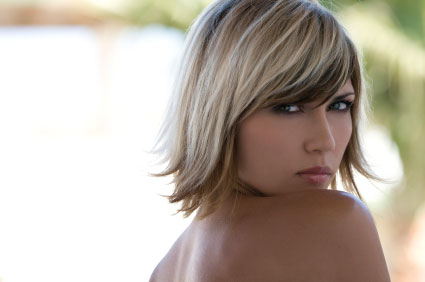
When you decide to get highlights, you are changing your hair color by using a lightener or dye to color small sections of the hair. Highlights are most popular in the summer months to give your hair a nice glow, and choosing the right hues can boost your complexion.
You have four types of highlighting and lowlighting techniques to choose from including the following:
There are also four different formulas to choose from:
Lowlights are sometimes referred to as twilights, and they do just the opposite of highlights. By choosing to add lowlights to your hair, you’re adding darker tones for a less dramatic color difference. These are less noticeable than highlights when you choose a color only 2 or 3 shades darker than your natural hair color. The lowlighting process isn’t as well known or used as the highlighting process; however, in some cases, lowlighting is the better option. It’s the best choice if you’re wanting a change, but don’t want it to look too dramatic.
You can get both highlights and lowlights, which is a process called tri-color service. This is no doubt the best option for you if you’re wanting a natural-looking color treatment. When using the tri-color technique, it’s best to apply more highlights to the top layer of the hair than lowlights because having more lowlights underneath gives your hair more depth and dimension.
It’s not suggested to perform a tri-color at home by yourself because it can become complicated when you’re dyeing hair darker. But if you ignore the warnings and do run into a problem with at-home tri-color, you might need to use a corrector to fix the problem. Salon stylists have experience in lowlighting, and will also have the products ready to fix your hair with no extra cost to you.
Foil techniques give you more control over the placement of color, while still offering depth and contrast to your hair. Also, hair foil packets are easy to maintain, and are typically less expensive than a full color.
You can achieve a natural, sun-kissed glow by doing a partial foil highlight. What this means is that you will place foil packets mostly around your face, using colors that are only a shade or two lighter than your natural hair color. If you typically get your entire head of hair dyed one color, you can have your stylist add a few highlights to give your hair more dimension. For an altogether brighter look, you will place foil packets throughout your entire head of hair; however, this doesn’t look as natural as a partial highlight.
Lowlights are applied the same way as highlights - minus the bleach or lighteners that highlights require. For a very subtle hair change, you can get lowlights to soften your hair’s color, and to add dimension as well.
The term "Bailage" refers to painting on clean hair using a free form technique, which leaves you with more natural looking highlights than foiling or chunking. This style of highlighting was started in Europe, and involves using a brush to apply hair color free form without foil packets. You can also use a comb to apply dye to small sections of hair for a similar effect.
To keep the color from bleeding onto the un-highlighted hair, you can use plastic wrap to keep the colored hair separate. This form of highlighting hair can give you a natural look, but when your roots grow out, it isn’t easy to duplicate, and after a few times of using this method, your hair can start to look spotty.
Moving along, women have had problems with roots in the past; however, celebrities in Hollywood have recently been asking for salon stylists to paint their roots darker, which is a term known now as "root shading". If you want to try this method for yourself, or have a salon stylist do it for you, use a crooked part to keep from having a line of demarcation.
For men, using a technique called "frosting" has been popular in the past. What this involves is using a bleaching or lightening color treatment to only color the tips of the hair. In most cases, you’ll get a very light blonde or even white color as a result.
The chunking-style highlights are wide and very noticeable bands of color. Also, chunking highlights are the least natural-looking highlights you can get. The bigger the highlights are, the less natural they look, but the chunking technique can be downplayed by using low lighting, contrasting colors, and by applying the color in smaller, but still noticeable widths.
You should wait 24-48 hours before using shampoo to wash your hair after getting highlights or lowlights. If you can wait to shampoo your hair, you’re locking in the vibrant color of the hair for a longer amount of time. You should also limit the use of shampoo to 2 or 3 times a week; for oily hair, you can purchase a dry shampoo to use between shampoos.
Read the labels on your shampoo and conditioning products; if they’re not designed for color-treated hair, avoid using them and purchase some that are for color or chemically treated hair.
Instead of taking a steamy hot shower or bath, use cool water on your hair because hot water will cause highlights and lowlights to fade rapidly. Another tip is to try using a hair clip or shower cap to avoid exposing your hair to hot water. You might even go one step further and use color depositing shampoos, conditioners, and other styling products to help put some color back into hair that has been lost. You can choose to use color depositing products ever other time you shampoo.